SYNTHESIS AND CHARACTERIZATION OF NOVEL THIAZOLE-SUBSTITUTED COUMARIN DERIVATIVES: EVALUATION OF ANTIOXIDANT AND ANTICANCER ACTIVITIES
DOI:
https://doi.org/10.71146/kjmr808Keywords:
Coumarin derivatives, Thiazole-substituted coumarins, Antioxidant activity, Anticancer activity, SEM, FTIR, XRD, TGA, Structure activity relationshipAbstract
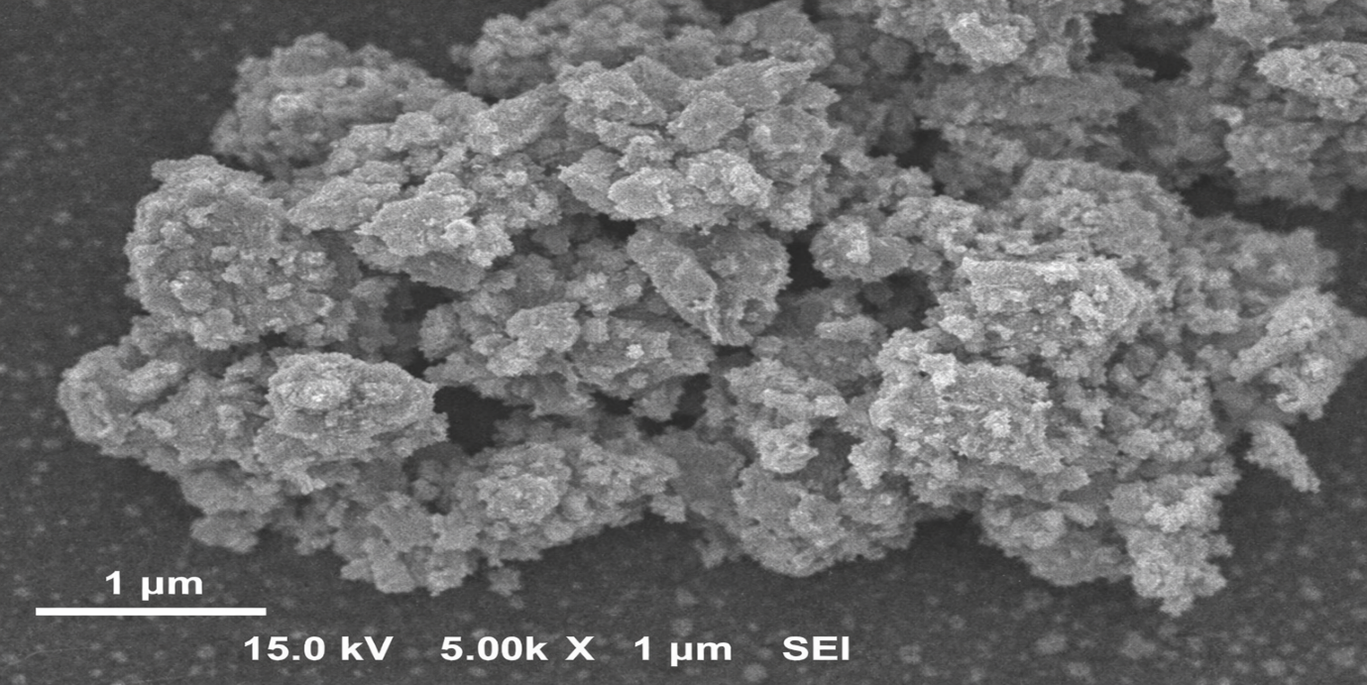
Novel thiazole-substituted coumarin derivatives (C₁₇H₁₁N₁O₃S) were successfully synthesized via a two-step procedure involving Pechmann condensation followed by thiazole ring formation. The structures of the synthesized compounds were confirmed using FTIR, XRD, SEM, and TGA analyses. FTIR spectra indicated characteristic functional groups of the coumarin and thiazole moieties, while XRD patterns revealed a semi-crystalline nature. SEM images showed irregular aggregated particles with heterogeneous surface morphology, and TGA demonstrated good thermal stability with major decomposition between 250–400 °C. The derivatives exhibited significant biological activity, displaying concentration-dependent antioxidant activity in DPPH and ABTS assays, with IC₅₀ values comparable to ascorbic acid. Additionally, the compounds showed promising anticancer potential against MCF-7, A549, and HeLa cell lines, with IC₅₀ values as low as 18.5 µM. The combined structural, physicochemical, and biological data suggest that these coumarin–thiazole hybrids are potent multifunctional candidates with potential applications as antioxidant and anticancer agents. The results indicated that the synthesized thiazole-substituted coumarin derivatives exhibited significant antioxidant and promising anticancer activities, suggesting their potential as lead compounds for pharmaceutical development.
Downloads
Downloads
Published
License
Copyright (c) 2026 Khitab Ur Rahman, Atif Ahmad, Anam, Sakina, Waqar Ahmad (Author)

This work is licensed under a Creative Commons Attribution 4.0 International License.
How to Cite