DEEP INVOLUTION NETWORK COUPLED WITH RETINEX ALGORITHM FOR LUNG AND COLON CANCER DETECTION
DOI:
https://doi.org/10.71146/kjmr399Keywords:
Lung and Cancer, Deep Involution Network, Retinex AlgorithmAbstract
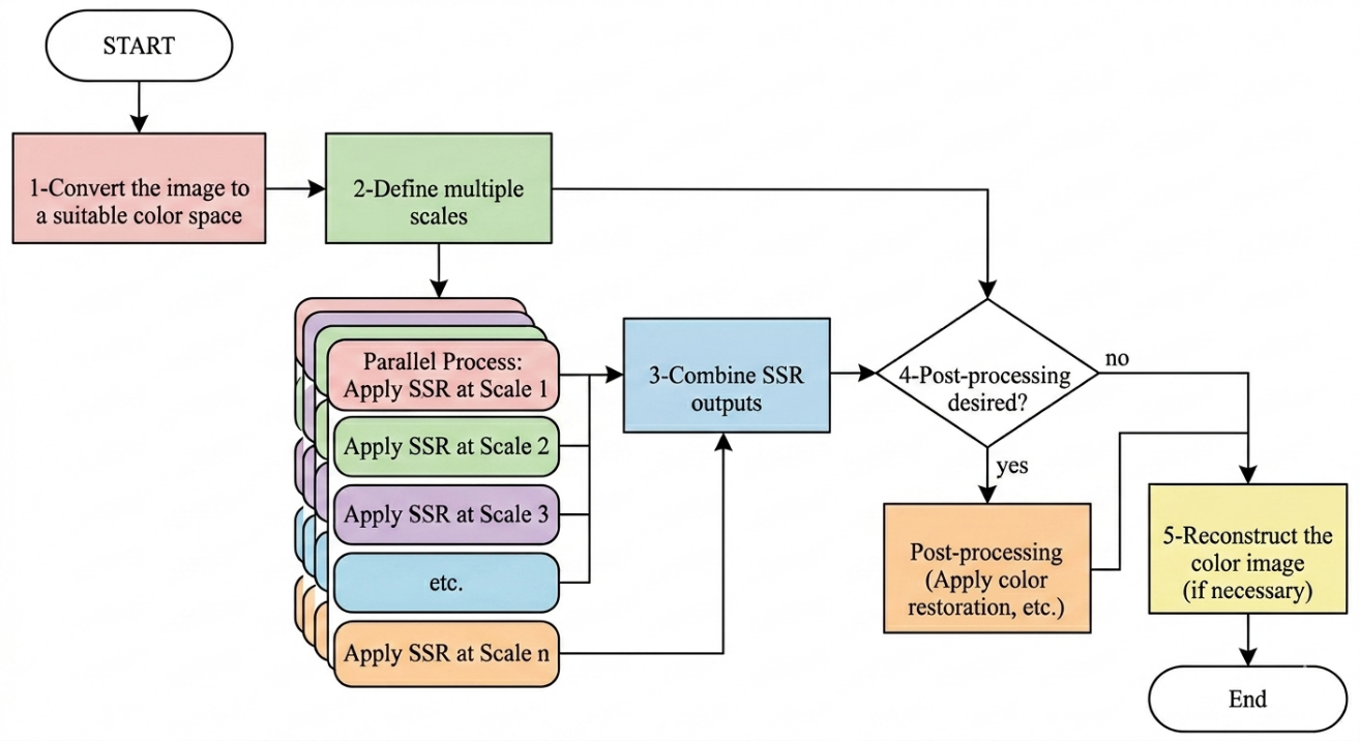
In recent times cancer has drastically increased as one of the leading diseases that has higher mortality rates. Among the malignant cases, lung and colon cancer types rank at the top of the list of cancer-related fatalities around the globe. Most of the malignant cases may be managed, if the histological diagnosis has been done at the earliest stages. The diagnosis conventionally relies on human experts; however, deep learning methods have emerged as a contemporary alternative to such experts. There are a number of studies which report such deep learning models. Despite their significant contribution, they still lack deployable accuracy. In this study, a deep learning model based on Deep Involution Neural Networks has been proposed to classify lung and colon cancer cases. Along with a deep learning model, a preprocessing method that incorporates a multi-scale Retinex algorithm has been used to improve the appearance of histopathological images. The proposed model achieves state-of-the-art results on lung and colon cancers.
Downloads
Downloads
Published
Issue
Section
Categories
License
Copyright (c) 2025 Mumtaz Ali, Abdul Qadeer, Hitesh Kumar, Sayed Ahmed Ali Shah, Khalid Hussain (Author)

This work is licensed under a Creative Commons Attribution 4.0 International License.
How to Cite